CHI Comfortable Hair Implant
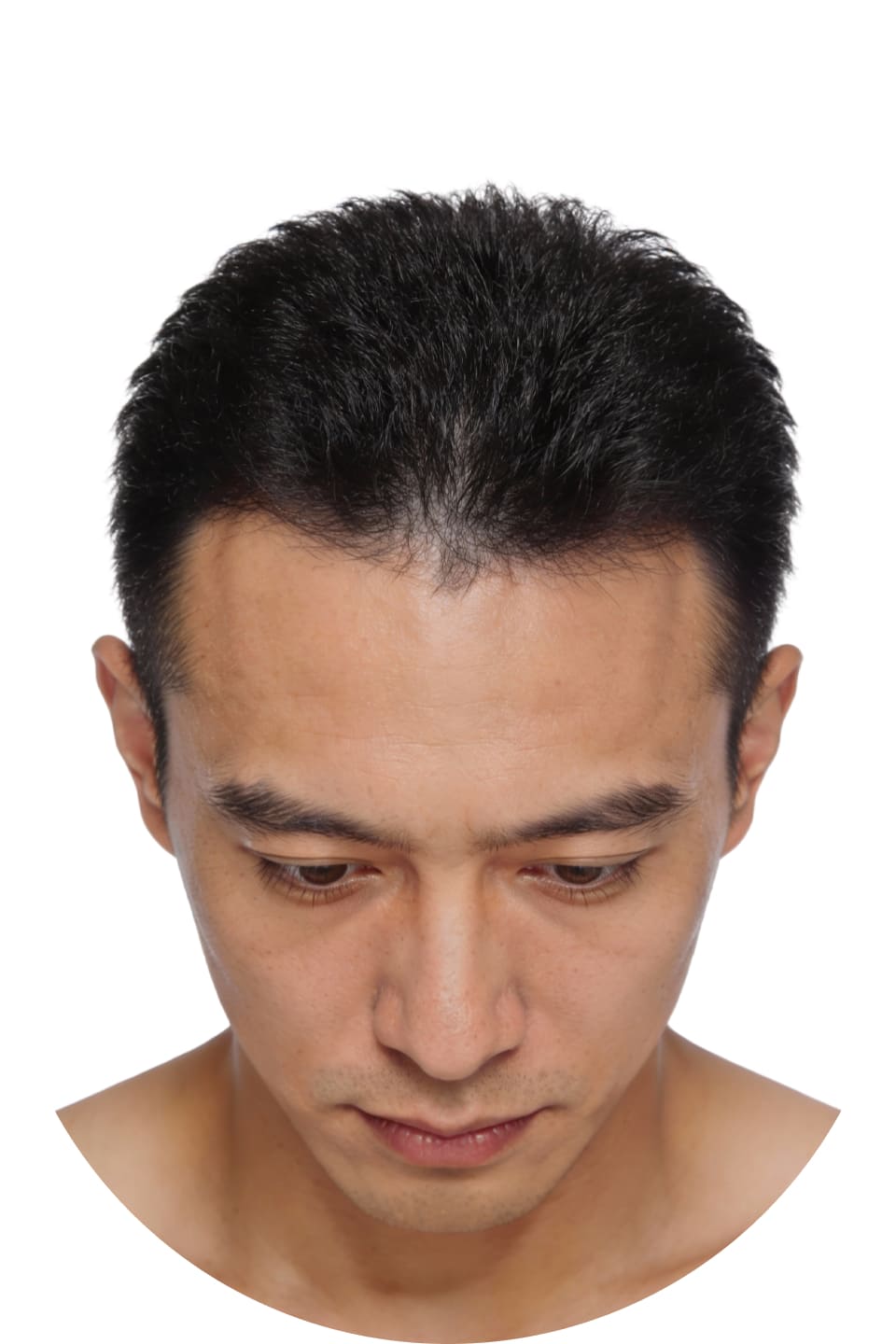
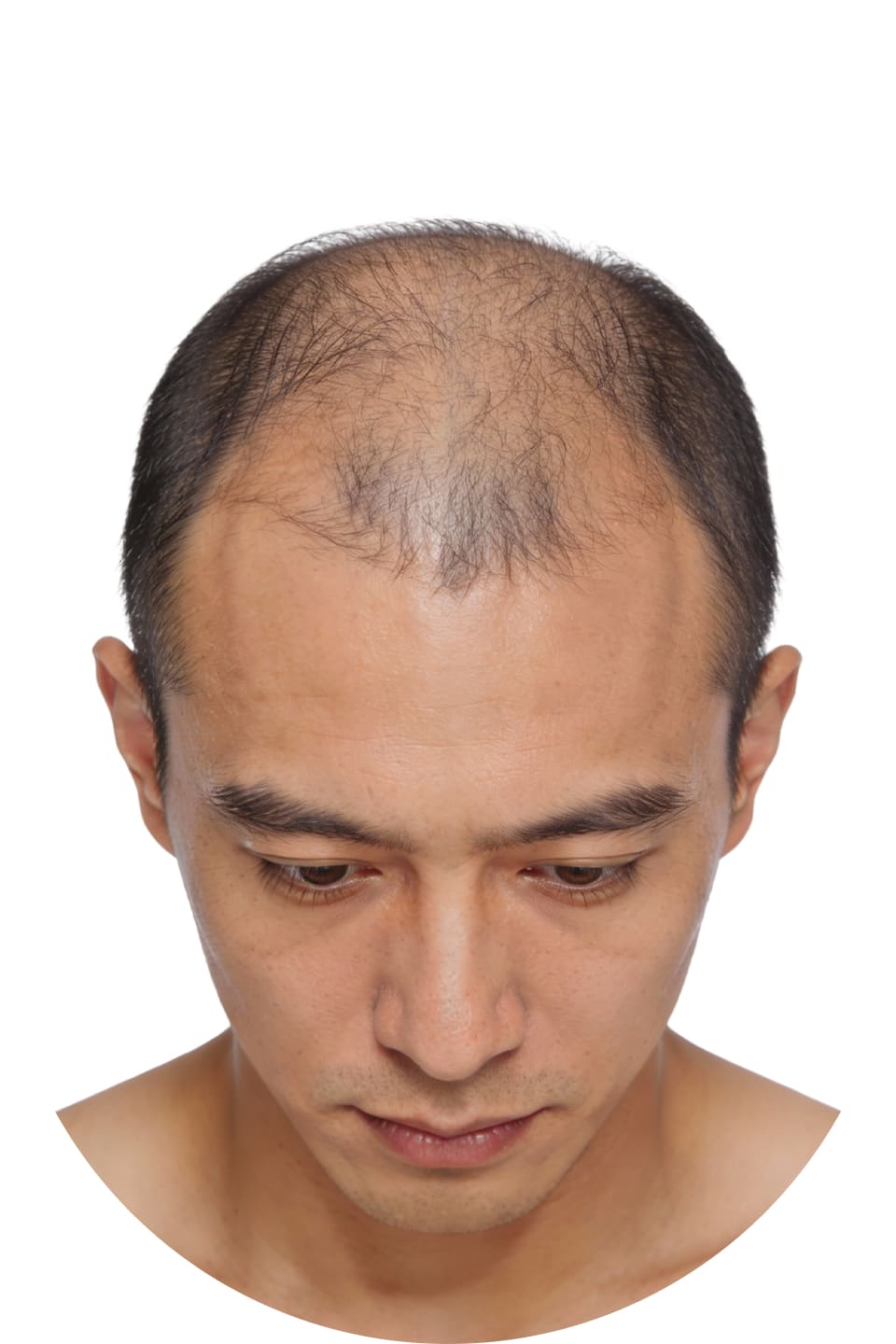
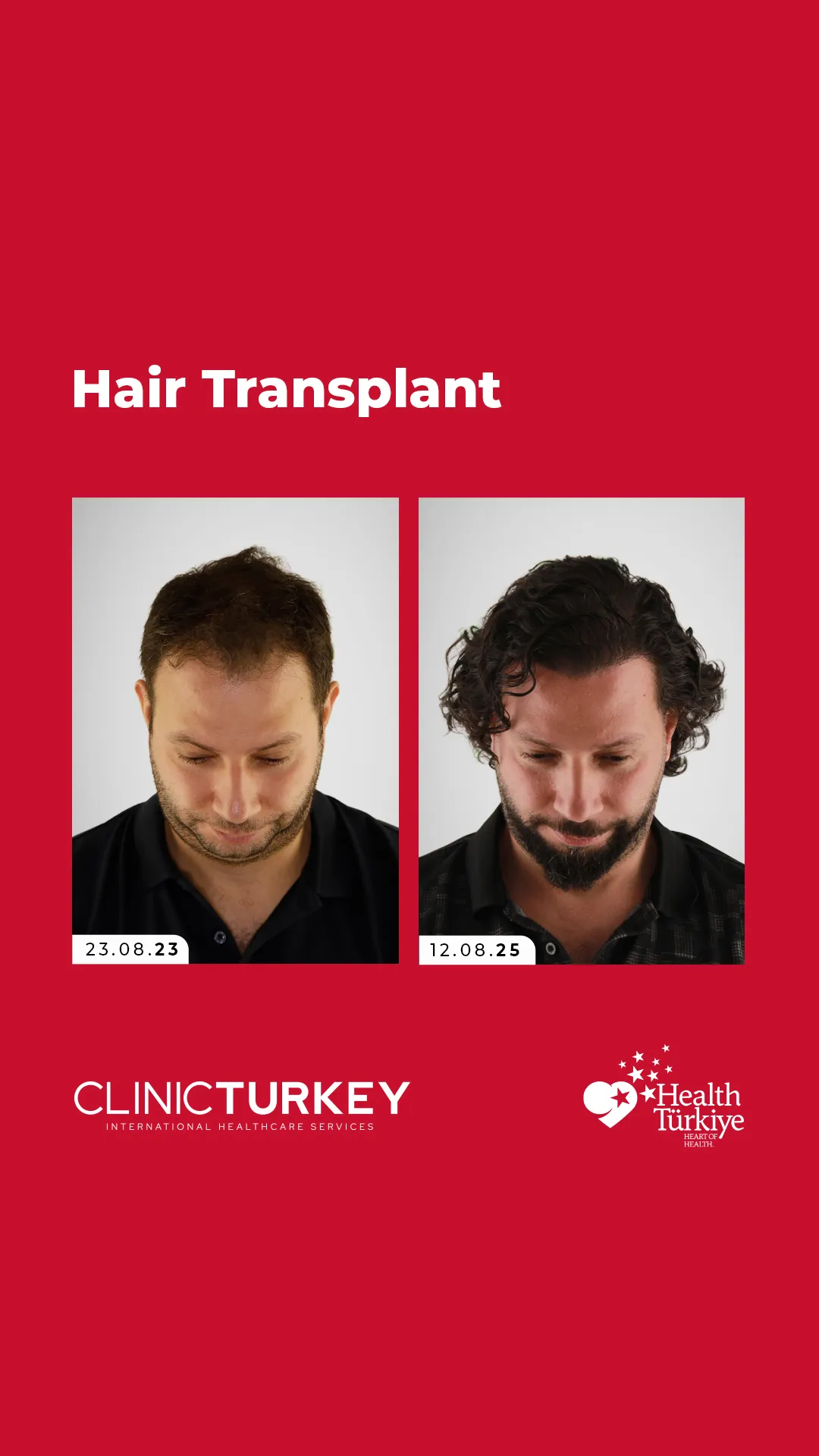
Comfortable Hair Implant (CHI) is an innovative technique in the field of hair transplantation and allows direct transplantation of long hair. It offers more comfort and convenience, faster recovery time and a more natural result than traditional hair transplantation methods. This method is based on the principle of placing hair follicles directly under the scalp. CHI stands out as an effective alternative for individuals in need of hair transplantation by offering fast and natural results. This method offers an innovative and aesthetic option for those who want to solve the problem of hair loss. Back to Work and Social Life in 1 Day! Comfortable Hair Implant (CHI) is an innovative technique in the field of hair transplantation and enables direct transplantation of long hair. It offers a faster and more natural result than traditional hair transplantation methods. This method is based on the principle of placing hair follicles directly under the scalp. Advantages of CHI Technique Return to Work in 1 Day: With the CHI technique, patients can return to work and social life immediately 1 day after the procedure. Completely Unshaven: No part of your hair, including the donor area, is shaved. Your hair remains the same length. Precise Application: The procedure using the special CHI pen ensures that the hair follicles are placed precisely. It is difficult for people around you to notice your hair transplant.
Plastic surgery is a medical specialty aimed at improving a person's physical appearance and correcting aesthetic or functional issues in various body areas. This field encompasses both aesthetic and reconstructive surgical procedures, enhancing individuals' self-esteem and helping them feel better about themselves. **Aesthetic Surgery:** Aesthetic surgery involves surgical interventions to achieve desired changes in a person's appearance. Common procedures in aesthetic surgery include facelift, neck lift, brow lift, forehead lift, almond eye surgery, ear surgery (otoplasty), rhinoplasty, blepharoplasty, double chin liposuction, dimple creation, breast augmentation, lift, or reduction, mommy makeover, abdominoplasty, liposuction, arm lift, thigh lift, buttock lift, and Brazilian butt lift (BBL). These procedures are performed to reduce signs of aging, reshape body contours, and improve overall appearance. **Reconstructive Surgery:** An important aspect of plastic surgery, reconstructive surgery aims to correct shape and function abnormalities resulting from congenital deformities, trauma, tissue loss after cancer treatment, or burns. Procedures in this category include breast reconstruction, repair of defects following skin cancer treatment, and facial and hand surgery. Reconstructive surgery not only improves appearance but also enhances the patient's quality of life by restoring lost functions. Plastic surgery provides aesthetic and functional improvements, boosting individuals' self-confidence and enhancing their quality of life. It also corrects physical imperfections caused by accidents, congenital deformities, or health issues, and can improve physical functionality to make daily activities more comfortable.
Bariatric surgery is a medical procedure usually performed to help individuals suffering from extreme obesity to lose weight in a meaningful way and improve their overall health. This surgery alters the digestive system to reduce the capacity of the stomach and therefore allow for fewer calories.There are several different types of bariatric surgery: 1. **Gastric Bypass**: Gastric bypass is an effective bariatric surgery that provides weight loss by shrinking the stomach and changing its connection with the small intestine. This method is preferred in the treatment of overweight problems and obesity-related diseases. 2. **Sleeve Gastrectomy**: Sleeve gastrectomy is a type of bariatric surgery in which a large part of the stomach is removed to create a tube-shaped stomach. It accelerates weight loss and is effective in reducing obesity-related health problems. 3. **Gastric Balloon**: Gastric balloon is a non-surgical weight loss method that reduces the volume of the stomach with an inflatable balloon placed inside the stomach. It is used in weight control and obesity treatment. 4. **Gastric Injection (Gastric Botox)**: Gastric injection is a weight loss method that slows gastric emptying by injecting botulinum toxin (botox) into the stomach muscles. This procedure reduces appetite without reducing stomach volume.5. **Revisional Bariatric Surgery**: Revisional bariatric surgery is a corrective surgery performed in patients who have undergone bariatric surgery in case of weight regain. It is used in the revision of failed or complicated bariatric surgeries.6. **Diabetic Metabolic Surgery**: Diabetic metabolic surgery is a surgical procedure performed to control Type 2 diabetes and promote weight loss. It is especially preferred in patients with obesity-related diabetes.Bariatric surgery can provide significant weight loss and improvement on obesity-related diseases (e.g. diabetes, hypertension and sleep apnoea). However, it requires adherence to lifestyle changes such as diet and exercise and regular medical follow-up. Candidates for bariatric surgery are generally expected to have a body mass index (BMI) of 40 or above, or a BMI of 35 or above with obesity-related health conditions.
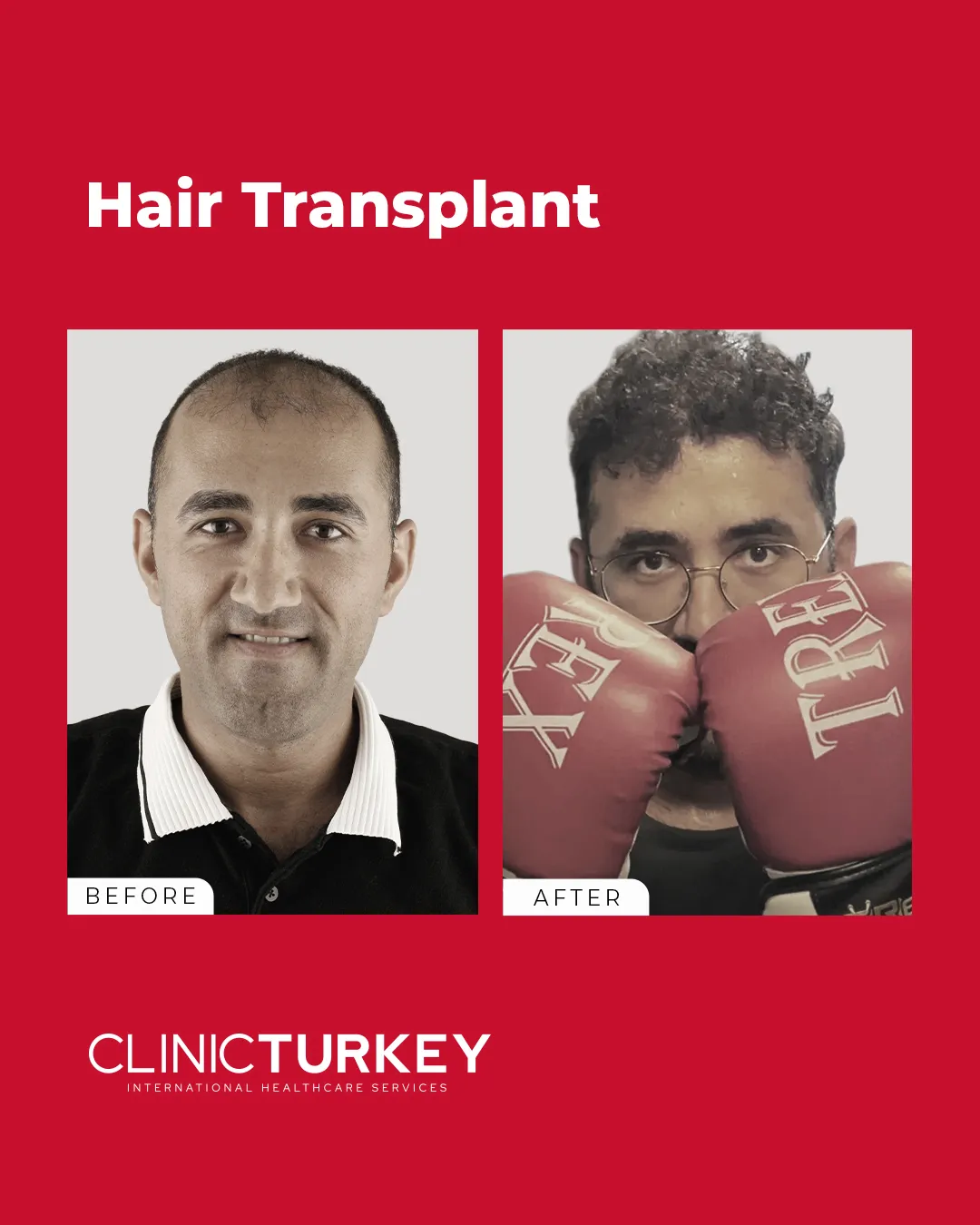
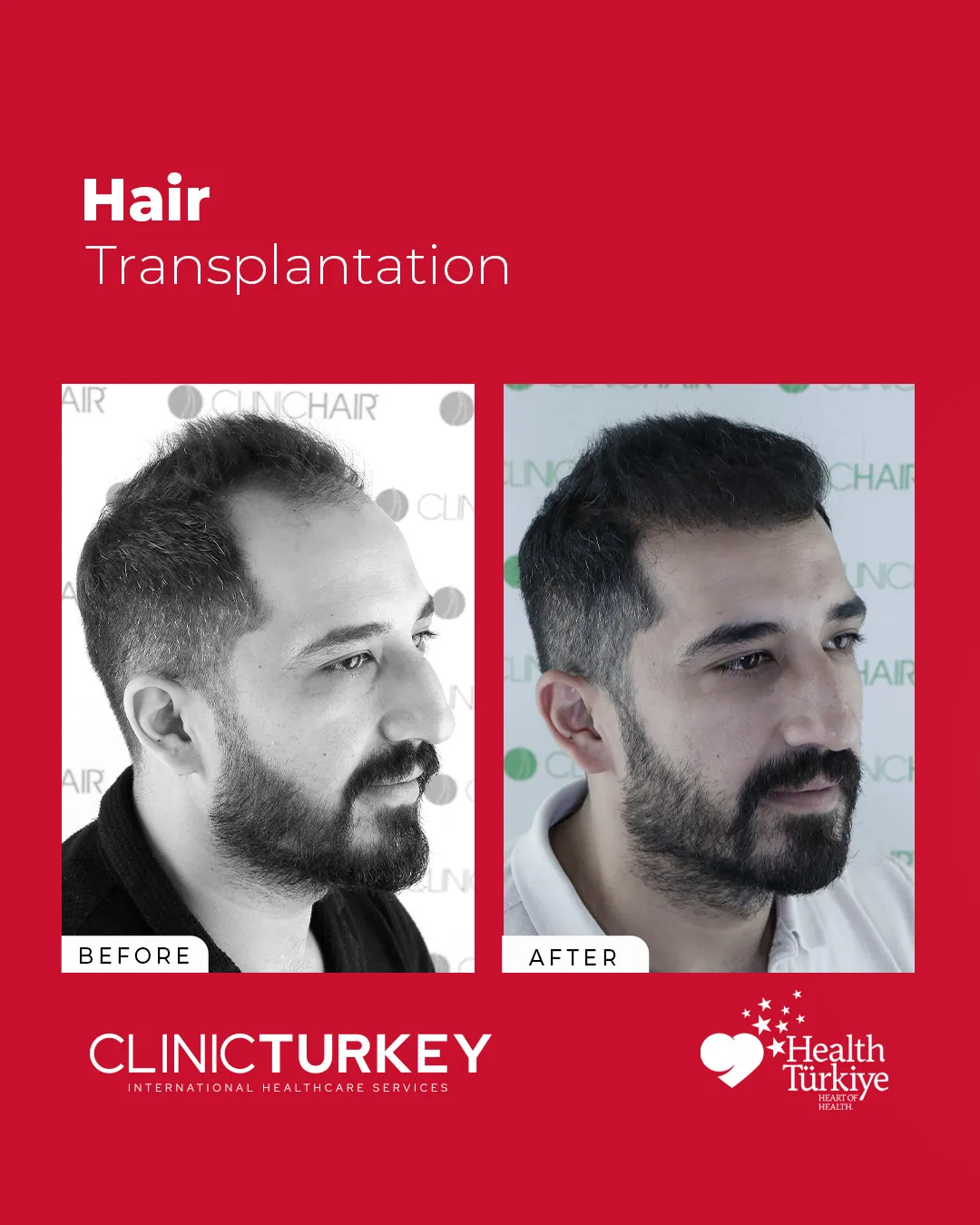
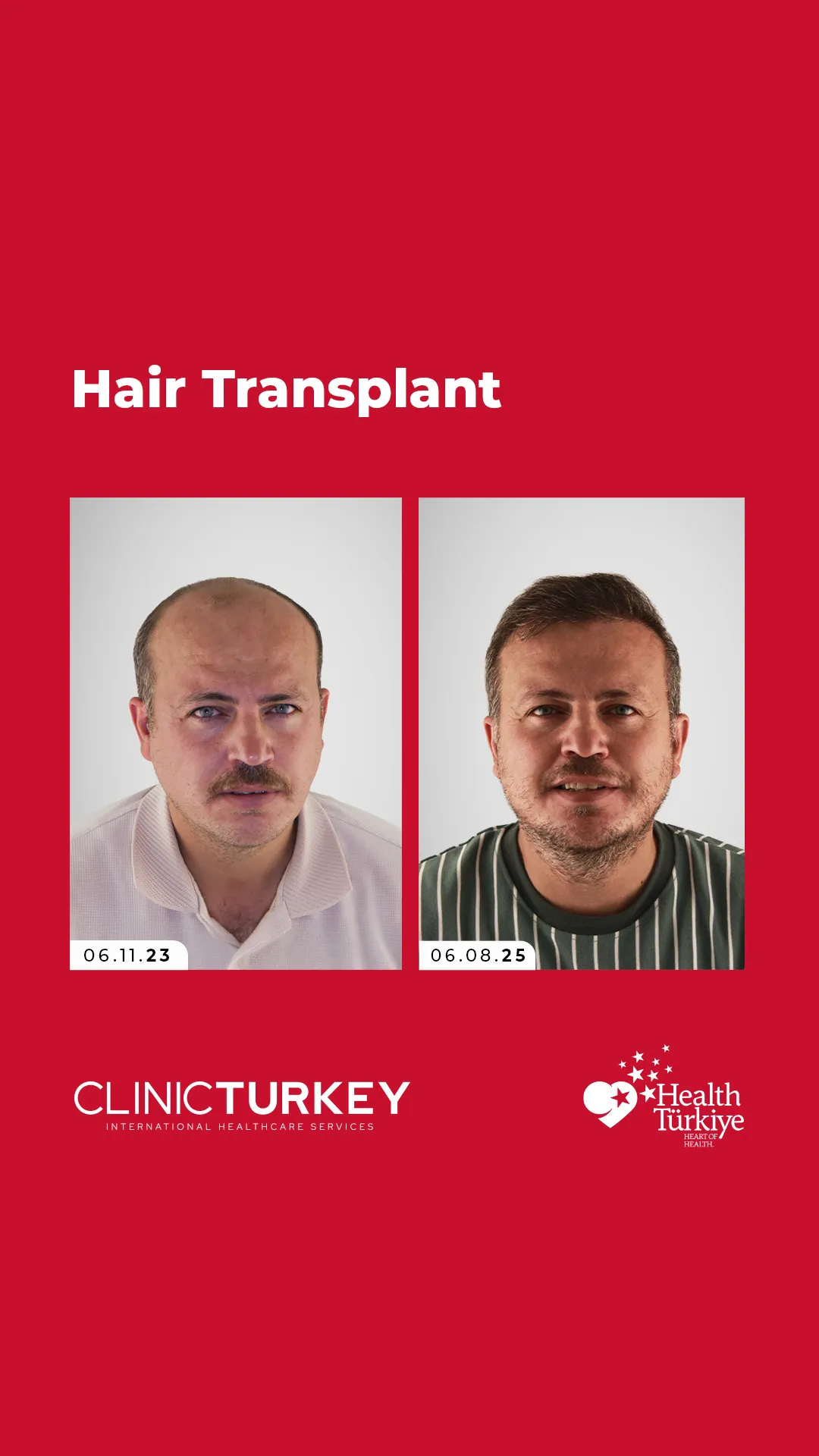
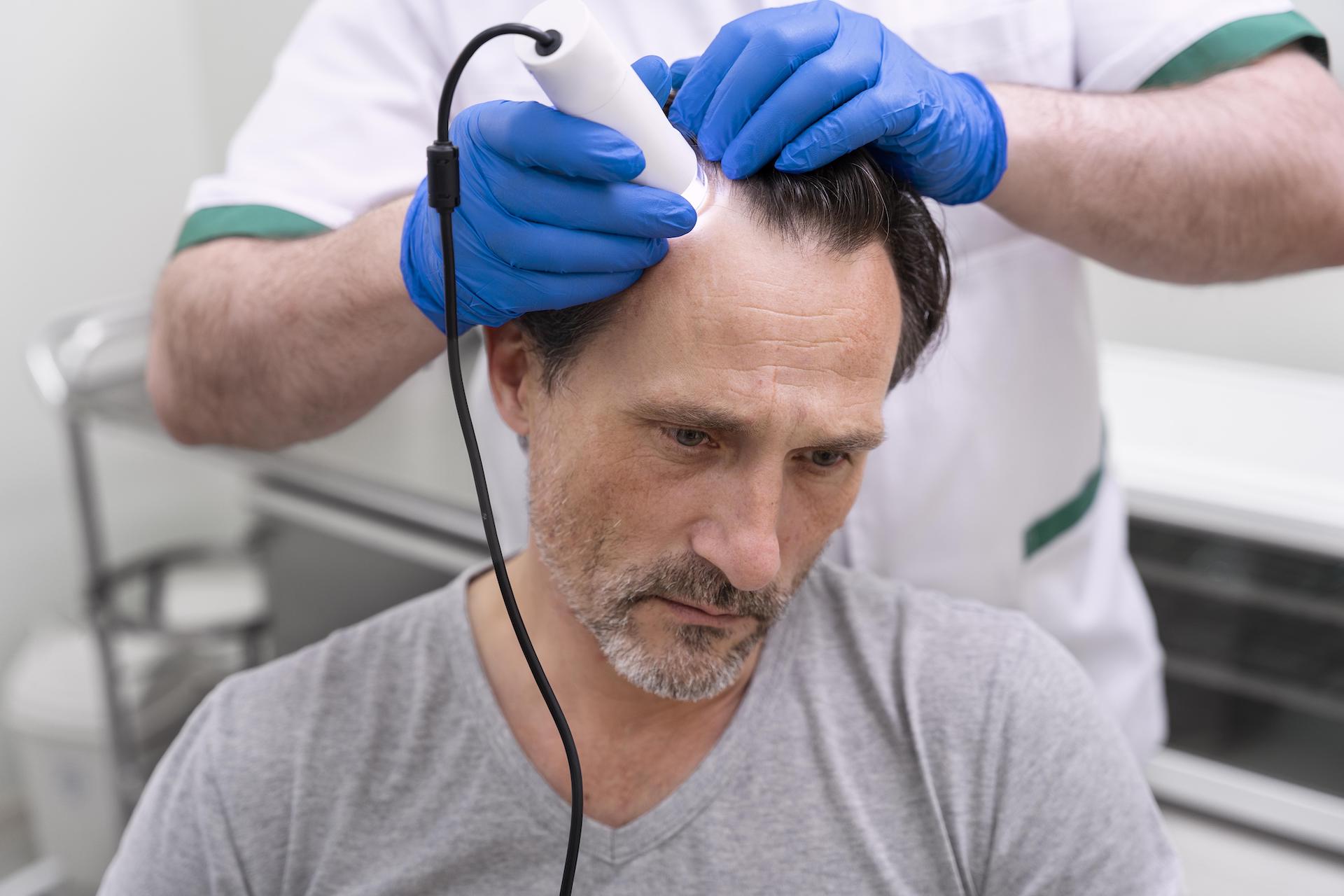
Hair transplant treatment is a surgical procedure designed to address hair loss by relocating healthy hair follicles to areas affected by thinning or baldness. Hair loss can result from genetic factors, hormonal changes, stress, nutritional deficiencies, or health issues, and hair transplant aims to provide a permanent solution for restoring natural hair growth.An average hair transplant procedure includes the following steps:Hair Transplant Surgery: In this procedure, hair follicles are harvested from a donor area, typically the back of the head, and transplanted to the thinning or balding areas. This surgical method aims to provide natural-looking and permanent hair restoration.FUE (Follicular Unit Extraction): FUE involves individually extracting hair follicles from the donor area and implanting them into the recipient area. This minimally invasive technique leaves minimal scarring and allows for a quicker recovery.DHI (Direct Hair Implantation): DHI involves extracting hair follicles from the donor area and implanting them directly into the recipient area using a specialized pen-like tool. This technique provides precise control over the angle and depth of each follicle, often resulting in a more natural appearance and quicker recovery.PRP (Platelet-Rich Plasma) Therapy: PRP therapy involves drawing a small amount of the patient’s blood, processing it to concentrate the platelets, and then injecting the PRP into the scalp. This treatment aims to stimulate hair follicles and promote hair growth.Mesotherapy: Mesotherapy involves injecting a mixture of vitamins, minerals, and other nutrients directly into the scalp to nourish hair follicles and stimulate hair growth. It is often used in conjunction with other treatments for enhanced results.Stem Cell Therapy: Stem cell therapy uses stem cells derived from the patient’s own body or other sources to regenerate and repair hair follicles. This innovative approach aims to revitalize hair growth and improve hair density.Exosome Therapy: Exosome therapy involves using exosomes, which are tiny vesicles released by cells, to deliver growth factors and other proteins that promote hair follicle regeneration and hair growth. It is a cutting-edge treatment that supports cellular repair and rejuvenation.Post-Operative Care: After a hair transplant, specific care instructions are provided to ensure proper healing and maximize the results. This includes avoiding strenuous activities, following a prescribed medication regimen, and maintaining scalp hygiene.Consultation and Personalization: The treatment plan is tailored to individual needs based on factors such as the extent of hair loss, donor hair availability, and overall health. A thorough consultation with a hair transplant specialist helps in determining the most appropriate technique and setting realistic expectations.Hair transplant offers a long-term solution for hair loss, providing a natural and permanent restoration of hair growth.
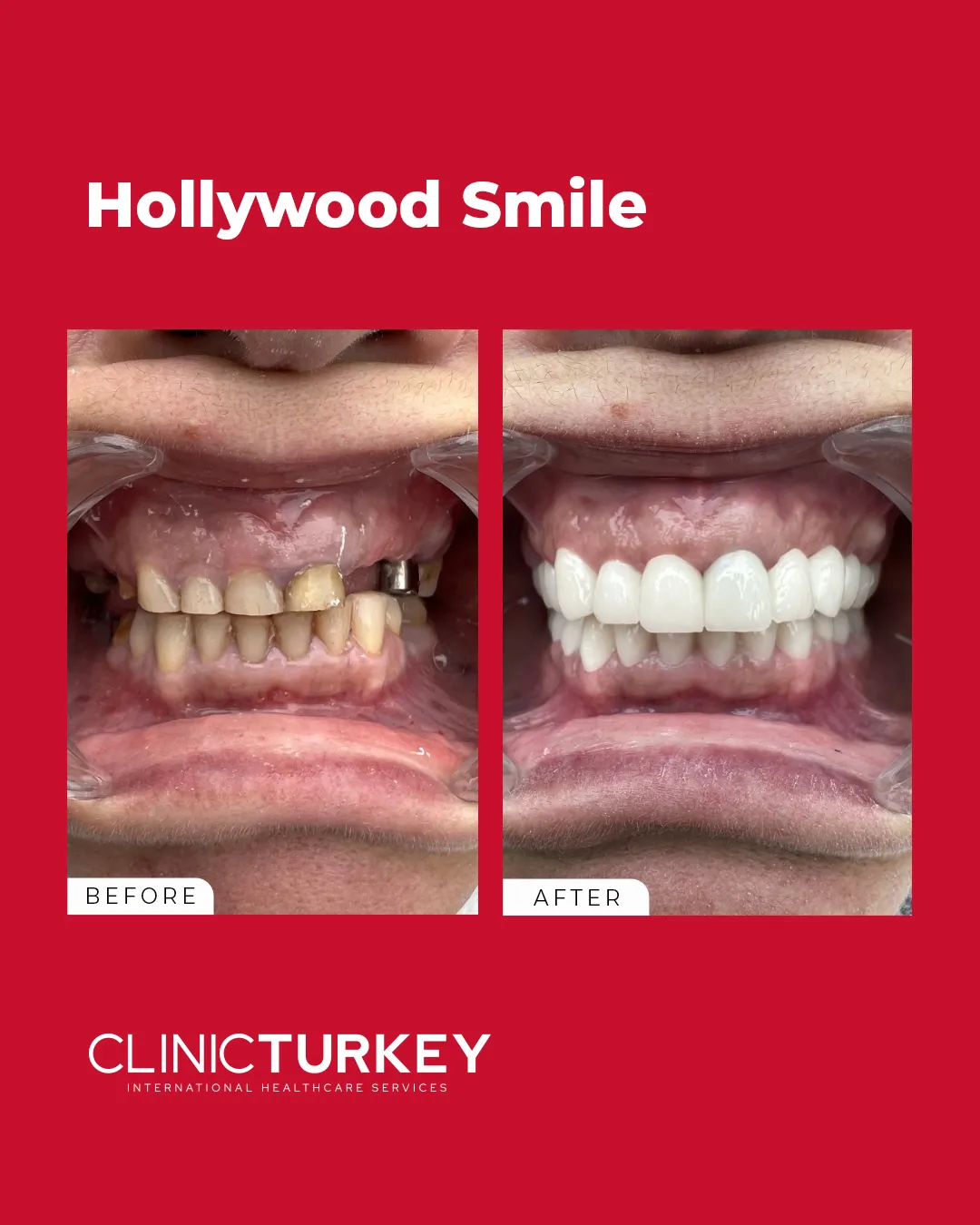
Dentistry is a field of medicine concerned with the diagnosis, treatment, and prevention of health issues related to the mouth, teeth, and gums. Dentists perform a variety of clinical and surgical procedures to maintain oral health and manage diseases. Dentistry encompasses a wide range of practices, including both general oral health and aesthetic dental treatments.In our clinic, we provide the following treatments:**Tooth Decay and Filling Procedures:** Tooth decay leads to the deterioration of tooth enamel and can damage the inner part of the tooth. Dentists repair the tooth by cleaning out the decayed portion and filling it with a restorative material.**Gum Diseases:** Gum diseases are characterized by inflammation and infection of the gums. Dentists treat these conditions with cleaning, root planing, and, if necessary, surgical intervention.**Root Canal Therapy:** When the pulp (nerves and blood vessels) inside a tooth becomes infected or damaged, root canal therapy is performed. This procedure aims to clean out the infected tissue and save the tooth.**Tooth Extraction:** Teeth may need to be extracted for various reasons. Dentists safely remove the tooth when necessary and guide patients through the recovery process.**Aesthetic Dentistry:** Aesthetic dentistry involves procedures aimed at improving the appearance of the teeth. This includes teeth whitening, composite veneers (natural tooth-colored coverings), porcelain veneers (ceramic coverings), zirconium crowns, e.max crowns, and orthodontic treatments. Zirconium crowns offer high durability and aesthetic appeal, while e.max crowns are a type of transparent and durable covering that mimics the appearance of natural teeth.**Oral Hygiene and Protection:** Dentists emphasize the importance of brushing, flossing, and regular dental check-ups to maintain oral hygiene. They also provide information about general health issues that can impact oral health.**Dental Implants:** Dental implants are artificial tooth roots placed to replace lost teeth. Implants, inserted into the jawbone, support dental prosthetics or crowns. The All-on-4 and All-on-6 implant systems provide a fixed prosthesis by placing only four or six implants, respectively, to support all missing teeth. These methods offer a quick and effective solution, making them ideal for patients with tooth loss.Dentistry not only protects oral and dental health but also aims to improve overall health and quality of life. Dentists continuously monitor oral health and develop personalized treatment plans to achieve the best outcomes.
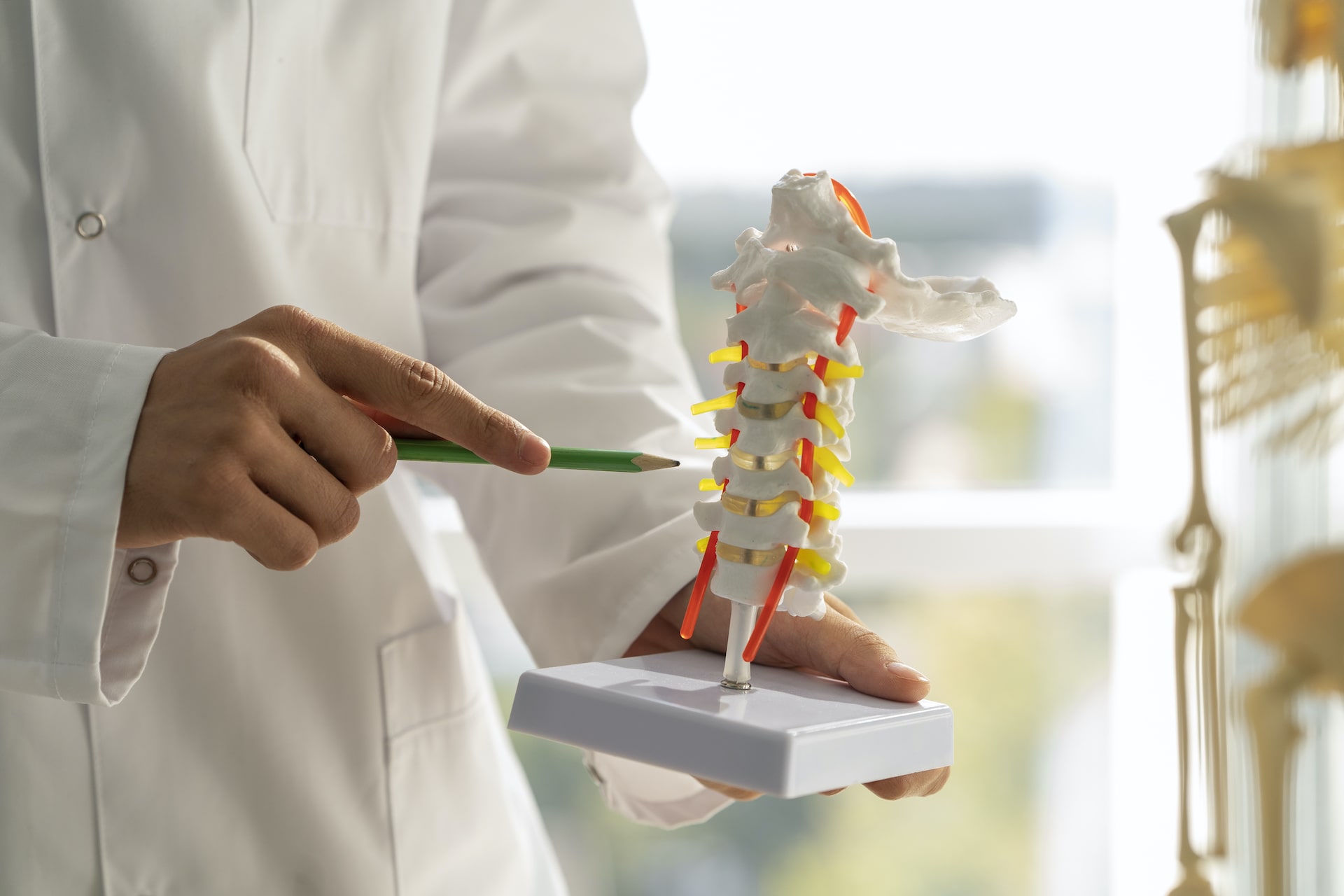
Orthopedic surgery involves surgical interventions to treat injuries, deformities, and diseases of the musculoskeletal system. These surgeries aim to improve mobility, reduce pain, and enhance the quality of life for patients. 1. **Knee Replacement**: Knee replacement surgery involves replacing a damaged or worn knee joint with an artificial implant to relieve pain and restore function, commonly used for arthritis patients. It helps improve mobility and overall knee function.2. **Hip Replacement**: Hip replacement surgery replaces a damaged hip joint with a prosthetic implant, often due to arthritis or hip fractures, providing pain relief and improved mobility. It allows patients to regain daily activity function.3. **Shoulder Replacement**: Shoulder replacement involves replacing the damaged shoulder joint with a metal or plastic implant to alleviate chronic pain and restore shoulder movement, often used for severe arthritis or injuries.4. **ACL Repair**: ACL repair is a surgical procedure to reconstruct the anterior cruciate ligament (ACL) in the knee, typically following sports-related injuries. It helps restore knee stability and prevent future joint damage.5. **Microsurgery of Hand**: Hand microsurgery involves intricate surgical techniques to repair small structures such as nerves, tendons, and blood vessels in the hand and fingers. It is essential for restoring fine motor skills and function.6. **Arthroscopy**: Arthroscopy is a minimally invasive surgery where a camera and small instruments are inserted into a joint to diagnose or treat joint issues such as ligament tears or cartilage damage. It's commonly used for knee and shoulder injuries.7. **Carpal Tunnel Syndrome**: Carpal tunnel surgery involves releasing the pressure on the median nerve in the wrist by cutting the ligament compressing it. This relieves symptoms like numbness, pain, and weakness in the hand.8. **Syndactyly Surgery**: Syndactyly surgery is performed to separate fused fingers or toes, usually in children, to improve hand or foot function and appearance. It helps restore independent finger movement. 9. **Varus Valgus Surgery**: Varus valgus surgery corrects misalignment of the legs, such as bow legs (varus) or knock knees (valgus), by realigning the bones to improve walking and reduce joint stress.10. **Dupuytren Surgery**: Dupuytren's contracture surgery releases or removes thickened tissue in the palm that causes finger contractures, allowing the affected fingers to straighten and regain movement.Orthopedic surgery relieves pain caused by musculoskeletal injuries and conditions, improving mobility and allowing patients to perform daily activities more comfortably. These surgeries help enhance the overall quality of life.
Eye surgery encompasses various surgical procedures aimed at treating different eye conditions, improving vision, and addressing structural issues within the eye. These surgeries can range from corrective procedures to more advanced techniques designed to enhance or restore vision.Here are the main types of eye surgeries:1. Cataract Surgery: This procedure involves removing the cloudy lens of the eye (cataract) and replacing it with a clear artificial lens (intraocular lens, IOL). Cataract surgery is commonly performed to restore clear vision affected by cataracts.2. Refractive Surgery: Refractive surgeries are aimed at correcting vision problems like myopia (nearsightedness), hyperopia (farsightedness), and astigmatism. Common types include:LASIK (Laser-Assisted In Situ Keratomileusis): Uses a laser to reshape the cornea, improving vision.PRK (Photorefractive Keratectomy): A laser removes a thin layer from the cornea’s surface to correct vision.SMILE (Small Incision Lenticule Extraction): A minimally invasive procedure where a laser creates a small lens-shaped cut in the cornea, which is then removed to correct vision.3. Glaucoma Surgery: This type of surgery aims to reduce intraocular pressure to prevent damage to the optic nerve. Procedures can include:Trabeculectomy: Creating a new drainage channel for eye fluid to reduce pressure.Tube Shunt Surgery: Inserting a small tube to help drain excess fluid.4. Retinal Surgery: Used to address issues related to the retina, such as retinal detachment or macular holes. Techniques include:Vitrectomy: Removing the vitreous gel from the eye to repair the retina.Laser Retinopexy: Using a laser to seal tears in the retina.5. Lens Replacement Surgery: This surgery involves replacing the natural lens of the eye with an artificial lens. Types of lens replacement surgery include:Monofocal Lens: Provides clear vision at one distance (usually for distance vision, with reading glasses needed for close work).Bifocal Lens: Has two distinct optical powers to aid both near and distance vision.Trifocal Lens: Offers multiple focal points to improve vision at near, intermediate, and distance ranges.Multifocal Lens: Designed to provide a range of vision distances, reducing the need for glasses.Toric Lens: Specifically designed to correct astigmatism in addition to providing clear vision at different distances.6. Oculoplastic Surgery: Involves surgeries related to the eyelids, tear ducts, and surrounding areas. Procedures include eyelid lift (blepharoplasty), tear duct repair, and orbital surgery.7. Corneal Surgery: Focuses on treating corneal conditions such as keratoconus or corneal dystrophies. Techniques include:Corneal Transplant: Replacing a diseased or damaged cornea with a healthy donor cornea.Corneal Cross-Linking: Strengthening the corneal tissue to prevent deterioration.Each type of eye surgery aims to address specific visual or structural issues, improve vision, and enhance the overall quality of life. Consultation with an ophthalmologist is essential to determine the most appropriate surgical approach based on individual needs and conditions.
Fertility is a concept that refers to an individual's capacity to conceive and have children, closely related to both male and female reproductive health. It encompasses a couple's ability to achieve pregnancy naturally, sustain the pregnancy, and deliver a healthy baby. Fertility issues can arise from genetic, hormonal, anatomical, and lifestyle factors.Key aspects to consider in fertility include:Female Fertility: Female fertility depends on ovarian function, ovulation, and uterine health. Factors such as age, hormonal imbalances, polycystic ovary syndrome (PCOS), endometriosis, and other health issues can affect female fertility.Male Fertility: Male fertility concerns sperm production, quality, and motility. Factors such as sperm count, shape, and movement can affect male fertility. Issues with the testicles, hormonal imbalances, and lifestyle factors can impact male fertility.Fertility Testing and Evaluation: Tests for assessing fertility issues generally include hormone levels, sperm analysis, ultrasonography, and other medical tests. These tests help identify potential problems in the reproductive system.Treatment Methods: Treatments for fertility issues vary based on individual needs. Options may include lifestyle changes, dietary and exercise adjustments, medications, hormone therapy, and reproductive technologies (IVF, IUI).Reproductive Technologies: Reproductive technologies provide various options for couples unable to conceive naturally. In vitro fertilization (IVF), intrauterine insemination (IUI), and other assisted reproductive technologies can enhance the chances of pregnancy.Lifestyle and Nutrition: A healthy lifestyle and balanced diet can support fertility. Reducing alcohol and tobacco use, maintaining a healthy weight, and adequate intake of vitamins and minerals can positively impact fertility.Psychological and Emotional Support: Fertility issues can place psychological and emotional stress on couples. Therefore, stress management and psychological support are important aspects of the fertility process.Fertility is a complex process affecting individuals' and couples' ability to have children. Working with a healthcare professional to address fertility issues and determine appropriate treatment methods is crucial. Fertility treatment requires a personalized approach tailored to individual health conditions and needs.
General surgery is a medical field that encompasses surgical procedures performed on various parts of the body. This area deals with the diagnosis, treatment, and management of diseases related to the digestive system, liver, gallbladder, pancreas, small and large intestines, thyroid gland, hernias, and various other organs. General surgery includes both emergency and elective surgical procedures.Key areas covered by general surgery by our surgeon includes:Digestive System Surgery: Involves surgical procedures on digestive organs such as the stomach, intestines, esophagus, liver, and pancreas. For example, the surgical treatment of conditions like appendicitis, gastritis, ulcers, and intestinal obstructions falls under this category.Gallbladder Surgery: Typically involves laparoscopic removal of the gallbladder (cholecystectomy) due to issues like inflammation or gallstones.Thyroid Surgery: Includes the surgical treatment of conditions such as cysts, nodules, or cancer in the thyroid gland. This may involve total or partial removal of the thyroid gland.Abdominal Wall and Hernia Surgery: Involves the surgical repair of hernias such as inguinal and umbilical hernias. Hernia repairs are usually performed using open or laparoscopic techniques.Emergency Surgery: Involves rapid and effective surgical intervention for conditions such as trauma, bleeding, intestinal obstruction, and other urgent situations. General surgeons manage these types of emergency procedures.Oncological Surgery: Includes surgical procedures to remove cancerous tissues and treat tumors. Surgical options are determined based on the extent of tumor spread in cancer treatment.Laparoscopic Surgery: A minimally invasive technique performed through small incisions using specialized instruments, leading to faster recovery and less pain compared to traditional open surgery.The aim of general surgery is to effectively treat diseases and injuries, improve organ functions, and support patients' overall health. General surgeons select surgical methods tailored to individual patient needs to achieve the best outcomes.
Urology is a medical specialty that diagnoses and treats health issues of the urogenital system, including the kidneys, ureters, bladder, urethra, and male reproductive organs (prostate, testes, penis). Urology addresses a wide range of problems related to both male and female urogenital health and employs both surgical and medical treatment methods.Key areas of urology include:Urinary Tract Health: Includes the diagnosis and treatment of urinary tract infections (UTIs), bladder inflammation (cystitis), urethral strictures, and urinary incontinence. Urinary tract health may require medical treatment, lifestyle changes, and sometimes surgical intervention.Kidney Stones: The diagnosis and treatment of stones that form in the kidneys are important aspects of urology. Depending on the size and location of the stones, treatments may include medication, laser therapy, or surgical methods.Prostate Health: Concerns the health of the prostate gland in men, including benign prostate hyperplasia (BPH), prostate cancer, and prostatitis. Prostate issues are generally managed with medical treatments, hormone therapy, or surgical interventions.Reproductive Health: Includes the evaluation of male infertility, erectile dysfunction (impotence), and other reproductive health issues. Treatments for reproductive health may include medications, hormone therapy, and surgical methods.Sexual Health: Includes the evaluation of sexual dysfunction, sexually transmitted infections (STIs), and other sexual health issues. These concerns may be addressed with medical and surgical treatment options.Urological Surgery: Includes various surgical procedures such as endoscopic surgery (urethroscopy, cystoscopy), open surgery, and minimally invasive techniques. Urological surgeries are used to treat urinary tract stones, prostate issues, and other urogenital problems.Penis Enlargement and Penis Implants: Penis enlargement aims to increase penis size through surgical or non-surgical methods. Surgical methods may include tissue expansion or fat injection techniques. Penis implants, used to treat erectile dysfunction, can be mechanical or inflatable, falling into two main categories.Cancers: Urological cancers include kidney cancer, bladder cancer, testicular cancer, and prostate cancer. The diagnosis and treatment of these cancers generally involve surgery, radiation therapy, chemotherapy, and targeted therapies.Urology aims to improve quality of life by addressing the health and diseases of the urogenital system. Urologists use various diagnostic and treatment methods to manage patients' health issues and develop appropriate treatment plans. Urological issues can be effectively managed with early diagnosis and appropriate treatment.
Medical aesthetics is a field that involves medical and cosmetic procedures aimed at improving skin health and appearance. This area utilizes various modern techniques to reduce signs of aging, correct skin imperfections, and enhance overall aesthetic appearance. Medical aesthetic procedures are typically performed using minimal-invasive or non-invasive methods, prioritizing patient comfort.Key areas of medical aesthetics include:Wrinkle Injections: Treatments containing botulinum toxin temporarily relax facial muscles to reduce the appearance of wrinkles and fine lines. It is commonly used to treat forehead lines, frown lines, and crow's feet.Dermal Fillers: Procedures using substances like hyaluronic acid and calcium hydroxyapatite are injected into the skin to restore volume loss, smooth out wrinkles, and provide a youthful appearance. Lip fillers and facial contour corrections fall into this category.Laser Treatments: Lasers are used to address skin issues such as pigmentation spots, wrinkles, acne scars, and other skin problems by resurfacing the skin to achieve a smoother and more even skin tone. Different types of lasers include CO2 lasers, Erbium lasers, and IPL (Intense Pulsed Light).Chemical Peels: This treatment involves the application of chemical solutions to exfoliate the top layer of the skin, improving skin color, reducing acne scars, and minimizing signs of aging. Peels can be light, medium, or deep depending on the level of exfoliation needed.PRP (Platelet Rich Plasma) Therapy: Plasma obtained from the patient's own blood is injected into the skin to stimulate and support cell renewal. PRP therapy can improve skin tone and also be used to treat hair loss.Mesotherapy: This treatment involves injecting vitamins, minerals, and other nutrients into the skin to improve moisture balance and provide rejuvenating effects.Body Contouring: Technologies like cavitation, radiofrequency, and cryolipolysis are used to reduce fat and improve body contours. These methods can reduce localized fat without the need for surgical intervention.Medical aesthetics is an approach that supports personal beauty goals and enhances overall aesthetic appearance. Procedures in this field generally offer minimal recovery time and a low risk profile, allowing patients to quickly return to their daily lives. Medical aesthetic specialists create customized treatment plans based on individual needs to achieve the best results.
Alternative medicine is a field of health practices that offers approaches beyond traditional medicine, often focusing on natural and complementary methods. Alternative medicine aims to treat various health issues, improve overall health, and enhance quality of life through natural and holistic methods. These approaches typically address an individual's physical, mental, and emotional health in a comprehensive manner.Key areas of alternative medicine include:Ozone Therapy: This involves the medical application of ozone gas to the body. Ozone therapy aims to enhance oxygenation, strengthen the immune system, and treat various health conditions.Neural Therapy: A treatment method designed to correct the nervous system and alleviate various types of pain. Neural therapy involves injecting local anesthetics into nerve pathways to treat pain and other symptoms.Acupuncture: Based on traditional Chinese medicine, this method involves inserting fine needles into specific points on the body to balance energy flow, relieve pain, and address various health issues.Homeopathy: A system that uses very low doses of natural substances. Homeopathic remedies are based on the principle of similarity and support the body's self-healing ability.Osteopathy: An approach that treats the body’s musculoskeletal system, organs, and other tissues through manipulation. Osteopaths aim to manage health issues by maintaining the structural integrity of the body.Energy Therapies: Includes practices like Reiki and Qigong, which aim to regulate and balance the body's energy flow. These methods focus on reducing stress, promoting relaxation, and improving overall health.Herbal Remedies: Treatments using natural herbs and extracts. Herbal medicine includes various forms such as teas, capsules, and tinctures, and is used to support immune function, address digestive issues, and promote general health.Massage and Manual Therapy: Utilizes various massage techniques and manual therapy methods to relax muscles, connective tissues, and joints. These practices provide support for pain management and overall well-being.Aromatherapy: A treatment method that involves the use of essential oils through the sense of smell and topical application. Aromatherapy aims to reduce stress, promote relaxation, and achieve emotional balance.Alternative medicine generally seeks to improve overall health and enhance quality of life. These methods offer personalized treatment plans and are typically considered natural with minimal side effects. However, it is advisable to use alternative medicine practices in conjunction with a healthcare professional, considering that not all methods may have scientifically proven efficacy.